Deans across the decades

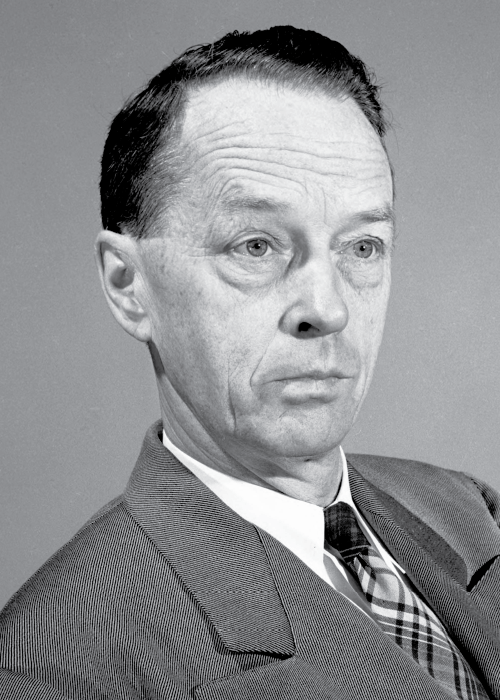
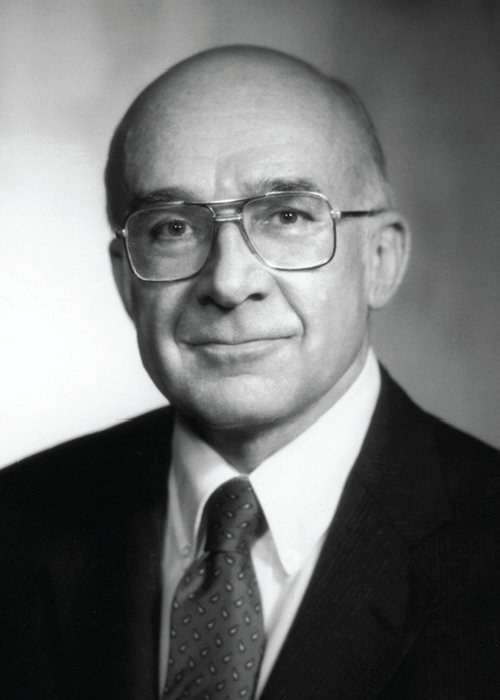
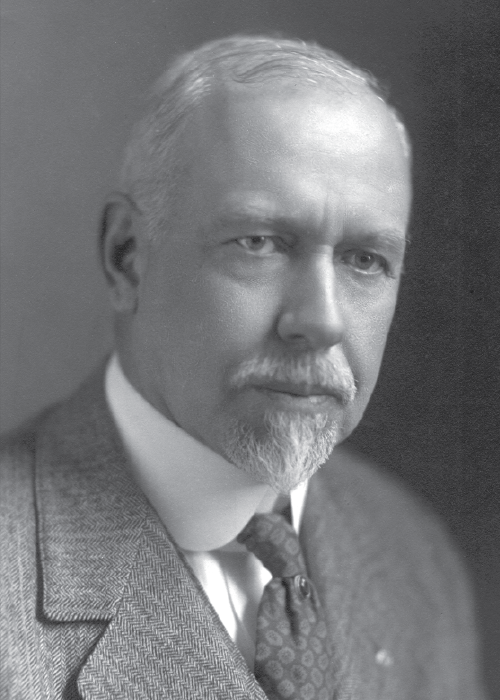
A headshot of William Warner Bishop

William Warner Bishop (1871-1955)

Chair of the Department of Library Science, 1926-1940

Founding chair of the Department of Library Science and longtime university librarian. An international leader in librarianship, he helped organize the League of Nations Library and led the American effort to modernize the Vatican Library. American Libraries later named him one of the 100 most important library leaders of the 20th century.

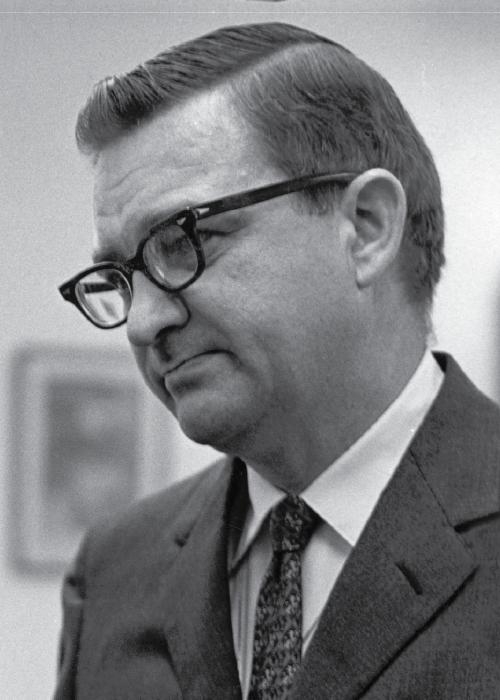
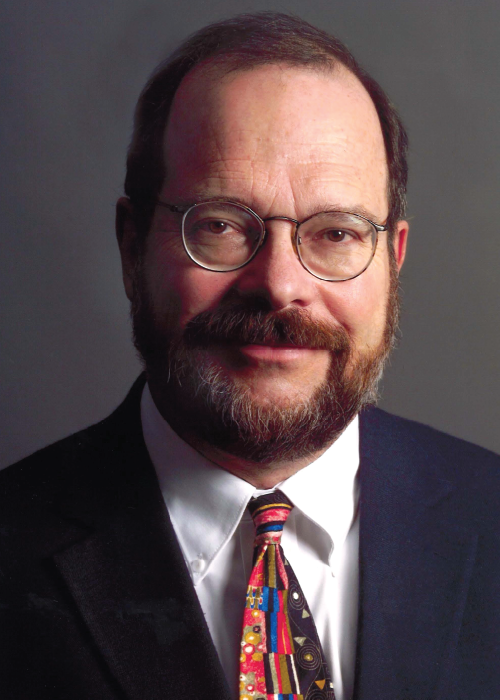
A headshot of Rudolph Gjelsness

Rudolph Gjelsness (1894-1968)

Chair of the Department of Library Science 1940-1964

Led the department’s 1948 shift to graduate education, ending the bachelor’s program and creating a PhD program. A cataloging expert, international librarian and translator of Norwegian literature, he also was named one of American Libraries’ 100 most important library leaders of the 20th century.

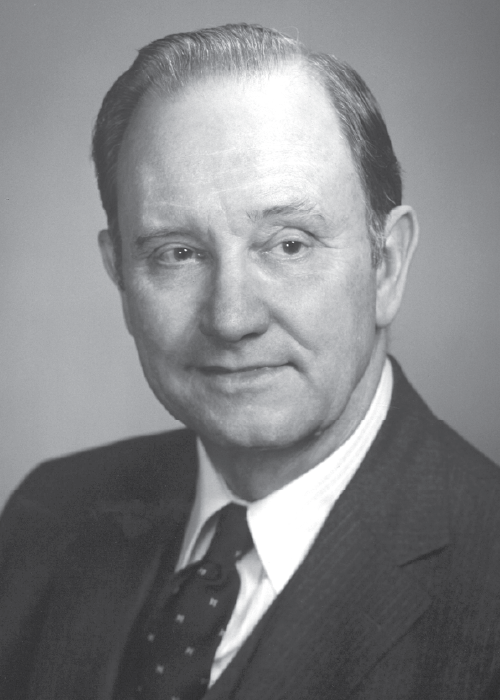
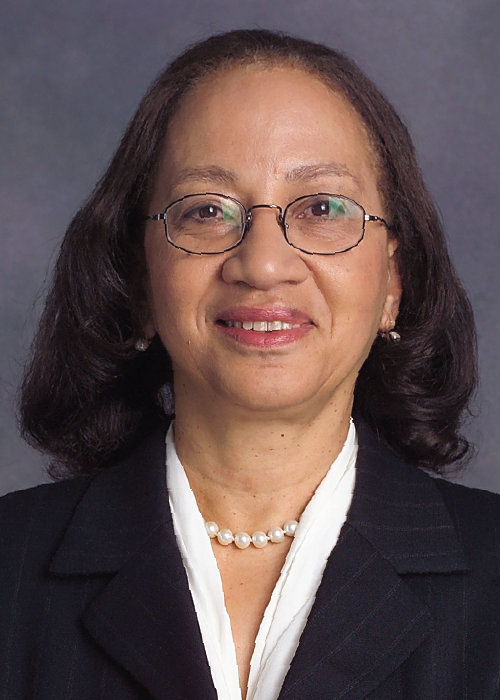
A headshot of Wallace Bonk

Wallace Bonk (1923-1979)

Chair of the Department of Library Science, 1964-1967

Co-authored Building Library Collections, a standard work in the field, and wrote extensively on books, printing and publishing. The Wallace and Joyce Bonk Scholarship Fund continues his legacy of support for UMSI students.

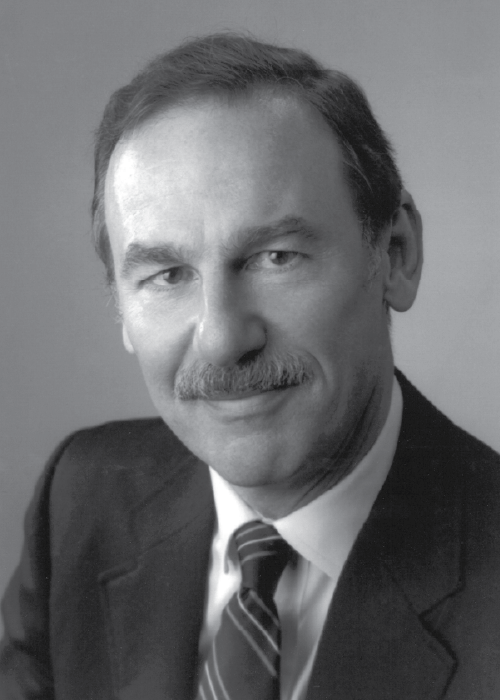
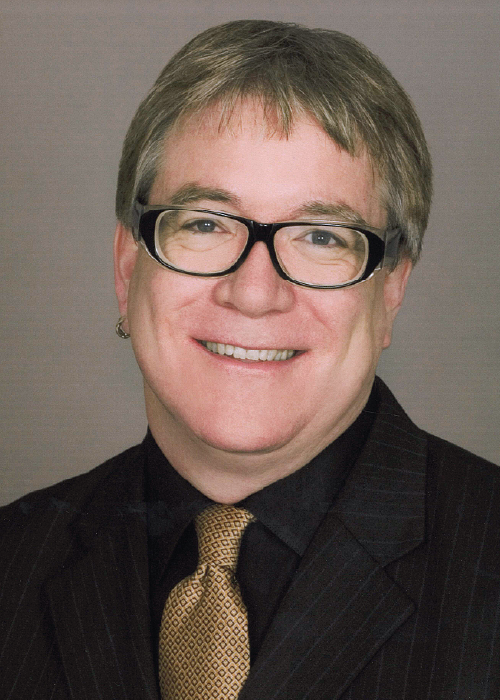
A headshot of Russell E. Bidlack

Russell E. Bidlack (1920-2003)

Acting Chair of the Department of Library Science 1967-1969
Dean of the School of Library Science 1969-1984

Earned one of UMSI’s first doctoral degrees. As chair, he oversaw the department’s transition into a separate school and became its first dean. A national authority on library accreditation, he helped write accreditation standards and served for many years as chair of the ALA’s Committee on Accreditation.

A headshot of Richard M. Dougherty

Richard M. Dougherty

Interim Dean of the School of Library Science 1984-1985

As director of the U-M libraries, he pushed toward a fully automated library system that would make holdings accessible by computer. He later served as president of the American Library Association and was the longtime publisher of the Journal of Academic Librarianship.

A headshot of Robert M. Warner

Robert M. Warner (1927-2007)

Dean of the School of Library Science 1985-86
Dean of the School of Information and Library Studies 1986-92 

Came to the deanship after serving as the sixth archivist of the United States. At U-M, he oversaw the school’s 1986 name change, revised its master’s and doctoral programs and strengthened faculty research and minority hiring. He also held the lifetime title of University Historian.

A headshot of Daniel E. Atkins III

Daniel E. Atkins III

Dean of the School of Information and Library Studies 1992-1996
Dean of the School of Information 1996-1998

Led the school’s 1996 reinvention as the School of Information, becoming its founding dean. A computer scientist and pioneer in digital libraries and cyberinfrastructure, he later became the inaugural director of the National Science Foundation’s Office of Cyberinfrastructure and was elected to the National Academy of Engineering.

A headshot of Gary M. Olson

Gary M. Olson

Interim Dean of the School of Information 1998-1999

A leader in human-computer interaction and the science of collaboration, he directed the Collaboratory for Research on Electronic Work. In 2006, he and Judith Olson received the CHI Lifetime Achievement Award.

A headshot of John L. King

John L. King

Dean of the School of Information 2000-2006

A prominent voice in the emerging iSchool movement whose research examined the relationship between technological and social change. He later served as U-M vice provost for academic information and vice provost for strategy, then returned to UMSI as the first director of the Bachelor of Science in Information program.

A headshot of C. Olivia Frost

C. Olivia Frost

Interim Dean of the School of Information 2006-2007

A scholar of knowledge organization and early adopter of digitization technologies. She led the Kellogg Foundation-funded Cultural Heritage Initiative for Community Outreach, partnering with museums, archives, libraries and K-12 schools to broaden access to cultural heritage materials.

A headshot of Martha E. Pollack

Martha E. Pollack

Dean of the School of Information 2007-2010

A computer scientist and artificial intelligence expert who went on to serve as U-M vice provost and provost, then as Cornell University’s 14th president from 2017 to 2024. Her research spans automated planning, natural-language processing and assistive technology.

A headshot of Jeffrey K. MacKie-Mason

Jeffrey K. MacKie-Mason

Dean of the School of Information 2010-2015

Led UMSI when the Bachelor of Science in Information launched in 2014. A pioneering scholar of the economics of the internet, he later became university librarian and chief digital scholarship officer at the University of California, Berkeley.

A headshot of Thomas A. Finholt

Thomas A. Finholt

Acting Dean of the School of Information 2013
Interim Dean 2015-2016
Dean of the School of Information 2016-2022

Oversaw a period of rapid growth in which UMSI’s enrollment more than doubled. Under his leadership, the school greatly expanded its online offerings, including the launch of the Master of Applied Data Science degree, and secured funding for the Leinweber Computer Science and Information Building. Later became U-M senior vice provost for academic and budgetary affairs.

A headshot of Elizabeth Yakel

Elizabeth Yakel

Interim Dean of the School of Information, 2022-24

A two-time UMSI alumna and distinguished archivist whose scholarship has advanced archival practice, primary-source education, data reuse and digital curation. Before becoming interim dean, she served seven years as the school’s senior associate dean for academic affairs.

A headshot of Andrea Forte

Andrea Forte

Dean of the School of Information
2024-Present

A social computing scholar who studies how people collaborate and share information online — and the risks that can accompany online life. As dean, she has overseen UMSI’s move into the Leinweber Computer Science and Information Building and the expansion of its focus on human-centered artificial intelligence.