
Christopher Pleman
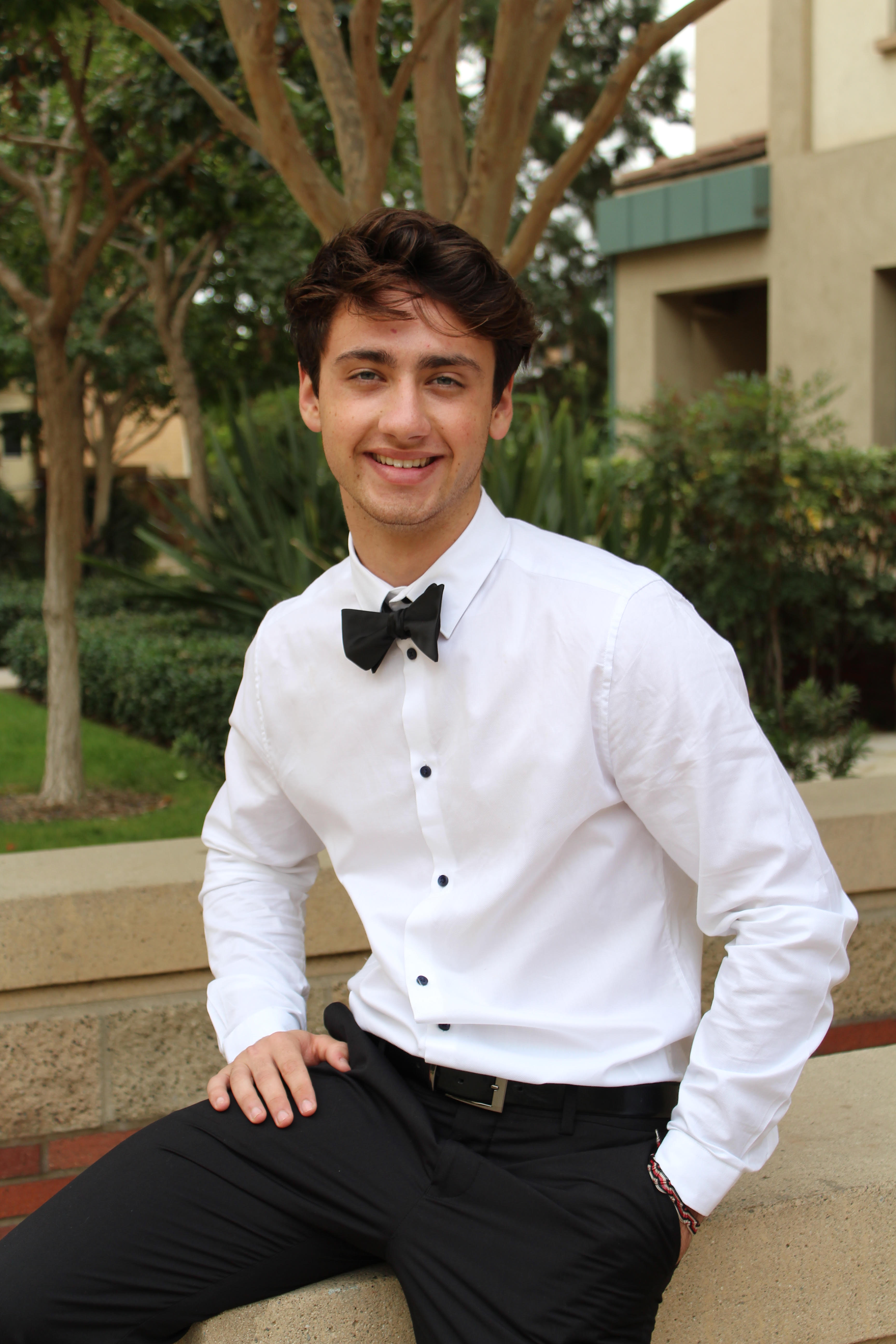
Master of Applied Data Science Association (MADSA) featured member:
Christopher Pleman, president
Degree: Master of Applied Data Science ’26
What’s your elevator pitch for your organization?
If you want to gain valuable experience in developing data science projects and programs or build your data science network through working with UMSI faculty, I recommend applying to the board. If you are primarily interested in developing a sense of community and learning about different programs and events, then becoming a member is a great place to start!
Who can become a member, and how?
Any current MADS student is a member of the association. However, to obtain a position on the board, you need to apply for the positions that interest you, and then you must be elected by the students!
What drew you in?
I wanted to help advocate for students in the program. MADS is particularly unique in that students can potentially be in any time zone, can be at any stage in their career, and could be working full time with a family or have just graduated. Therefore the MADS student body has a variety of unique needs and challenges, and I wanted to be part of an organization that could help to get those needs and challenges addressed.
If your organization had a theme song, what would it be and why?
“Fearless” by Taylor Swift, because we are not afraid to leave no stone unturned in providing new experiences for our fellow students. Also, it’s just an absolutely amazing song.
What are your top events or activities?
Our biggest events include the town halls. These events allow students to interact directly with the board and the director of the MADS program. This opportunity is valuable, because students can voice any questions and requests directly to key staff in the program.
MADSA now has partnered with UMSI’s Student Organization-Engaged Learning Leaders program, now having MADS-student only teams. This program is a great opportunity to get practical experience working and managing data science projects for real clients and communities. The MADS Onboarding Buddies program pairs current and newly admitted students to help them acclimate to the program more successfully — so if you’re a current or new student, please join!
What does participation look like week-to-week?
Weekly participation is generally reserved for the board members (e.g., board meetings, event planning, department meetings, etc.). So, the only participation that members would need to manage is the optional attendance at the events that the board puts together.
What’s something most people don’t know about your organization?
Although the non-board members are not required to put on events, they are always welcome to reach out to the board if they have specific types of events they would like to see — even participating in developing new events and programs!
As a student leader, what are you proudest of?
I’m most proud of how hardworking and creative the board members and the students are when it comes to creating and running events and programs. It takes a lot of work and time (outside of all other responsibilities) to manage even the simplest projects, so I am always very proud to see how much students care about carving out opportunities for themselves and their fellow students.
What do members gain from joining? (e.g., skills, community, experiences)
Students can hope to gain the opportunity to give direct feedback to board members, faculty and staff alike — even the director of the MADS program. I believe this gives students an opportunity to request modifications and additions to the program and curriculum, which is especially valuable in a field that can change as quickly as data science.
What’s a favorite memory from your time in your organization?
My favorite memory from my time in my organization was actually when I joined a program a fellow board member was spearheading. Our ELO officer was managing the second iteration of the SO-ELL program for MADS students, and I applied to be on the team. It was really rewarding to see how much effort she put into managing the program. I thought that this dynamic was really neat, because it showed how unique the MADS program is, and how students can have access to a diverse set of opportunities and roles.
Where can I learn more? (Email, website, Maize Pages link, etc.)
Email: [email protected]